
Planning a renovation? Let’s talk about kitchen counter depth. Getting the right dimensions makes cooking and prep work so much easier. The standard kitchen counter depth typically ranges from 24 to 25 inches, but there’s more to it than just one number. Your space, appliances, and how you use your cooking area all play a role in finding that perfect fit. Let’s dive into everything you need to know about these important measurements.
Understanding Standard Kitchen Counter Depth
The kitchen counter depth is typically 24 inches from front to back. This measurement has become the norm because it works well with most base cabinets, which are typically 24 inches deep. The standard kitchen counter depth allows enough space for food prep while maintaining comfortable reach.
For different applications, the measurements might vary slightly:
- Breakfast bars: Often 12-15 inches deep
- Islands: Can range from 36-48 inches deep
- Bathroom vanities: Usually 19-22 inches deep
- Commercial settings: Might extend to 30 inches for extra workspace
- Peninsula configurations: Typically match the 24-inch standard
In specialized areas, the kitchen counter depth might differ based on specific needs or space constraints. For example, in tight spaces, you might opt for a 21-inch depth to maintain adequate walkway clearance.
Standard Height of Kitchen Countertops
The standard countertop height is 36 inches from the floor. This measurement has been determined as the most ergonomic for the average adult. However, the ideal height depends on who’s using the space most frequently.
The relationship between height and kitchen counter depth matters too. Deeper surfaces sometimes work better with slightly lower heights, especially for shorter individuals. If your surface extends beyond the average, consider how far you’ll need to reach across it. For tall cooks, custom heights of 37-39 inches might be more comfortable, reducing back strain during meal preparation.
Standard Countertop Dimensions for Various Kitchen Layouts
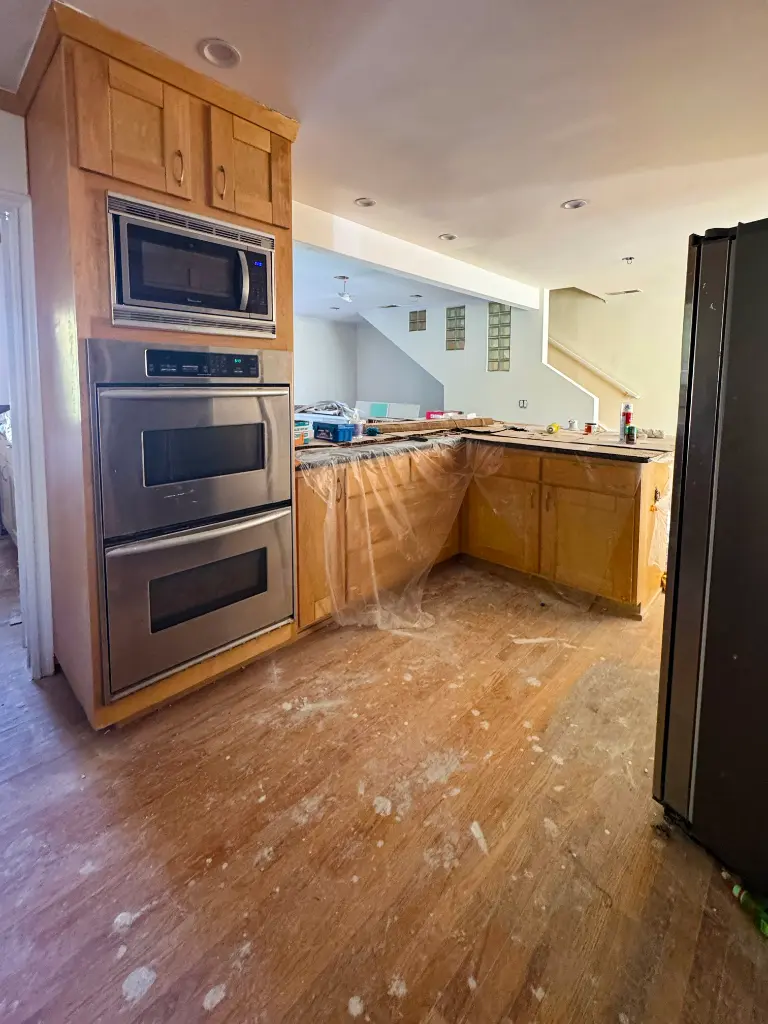
Different layouts call for varying dimensions. In U-shaped configurations, maintaining at least 36 inches between opposite surfaces ensures good traffic flow. For L-shaped areas, the kitchen counter depth remains consistent, but the length can extend along two walls.
Special features require some variations too. Around sinks, you might want extra depth (up to 30 inches) to accommodate plumbing. For areas with cooktops, additional space behind the appliance improves safety and functionality. Near refrigerators, the kitchen counter depth might be reduced to 18 inches to allow the door to open fully without blocking walkways.
Average Kitchen Countertop Depth and Height Considerations
When planning your cooking space, consider who will use it most. The average kitchen counter depth works for most households, but custom dimensions might better serve your family’s needs.
For households with multiple cooks of different heights, consider varying surface heights. A 42-inch high section works well for tall family members, while a 30-inch section accommodates children or those who prefer sitting while preparing meals. These measurements aren’t set in stone, they’re starting points for creating your ideal space.
Cost of New Kitchen Countertops Based on Dimensions
Pricing varies widely depending on materials and dimensions. Larger surfaces naturally cost more, but kitchen counter depth affects pricing too. Extending beyond standard measurements requires custom fabrication, increasing costs by 20-30%.
Material choices significantly impact budget considerations. Natural stone like granite might cost $40-100 per square foot installed, while laminate runs $10-40 per square foot. When calculating expenses, remember that unusual kitchen counter depth often creates more material waste during fabrication, further increasing costs.
Choosing the Ideal Kitchen Countertop Depth for Your Home
Finding the right measurements for your home involves balancing standards with personal needs. Start with the typical kitchen counter depth of 24 inches, then adjust based on your space constraints and cooking habits.
Consider how you’ll use each section of your cooking area. Bakers might want deeper surfaces near ovens for rolling dough. Coffee enthusiasts might prefer a shallower section for a dedicated beverage station. The depth you choose depends entirely on your lifestyle.
Remember that function trumps convention. While standard dimensions provide useful guidelines, the perfect kitchen counter depth is the one that makes your daily cooking routines easier and more enjoyable.
FAQ
Can I install deeper countertops than the standard 25.5 inches?
Absolutely! Many homeowners choose 27 or even 30 inches for extra workspace. Just remember that deeper counters cost more. You’ll need custom cabinets or modifications to standard ones. Make sure you can comfortably reach the backsplash area. Consider your kitchen’s traffic flow too, as deeper counters take up more room.
What's the best counter height for someone who's 6'2" tall?
Taller folks often prefer 38-inch high counters instead of the standard 36. This reduces back strain during long cooking sessions. You can achieve this by adding a thicker countertop or raising cabinets. Some people create varied heights with different zones. Your main prep area could be 38 inches while keeping standard height elsewhere.
How much overhang should I have on my kitchen island for bar seating?
Plan for 12-15 inches of overhang for comfortable knee room. This lets people sit without hitting the cabinet below. The total island depth often reaches 42-48 inches with seating. Support brackets are necessary for overhangs beyond 10 inches. Consider your bar stool height when planning the overhang distance too.
Why does the standard depth of kitchen countertops matter?
The kitchen counter depth matters because it affects your daily cooking experience. Too shallow, and you’ll lack prep space. Too deep, and you can’t reach items at the back. The standard 24-inch works with most appliances and cabinets. It also ensures proper clearance for walkways in your cooking area. Plus, standard measurements make installation easier and more cost-effective.
What is the most standard countertop height and depth?
The most standard kitchen counter depth is 24 inches, while the standard height is 36 inches from the floor. These measurements create an ergonomic workspace for most adults. The 24-inch aligns perfectly with standard base cabinets and leaves enough room for backsplashes. Meanwhile, the 36-inch height strikes a balance between comfortable chopping for taller folks and reaching high places for shorter individuals.