Garage Conversion Cost in Sherman Oaks (2026): Myths, Reality, and What to Budget

May 27, 2026

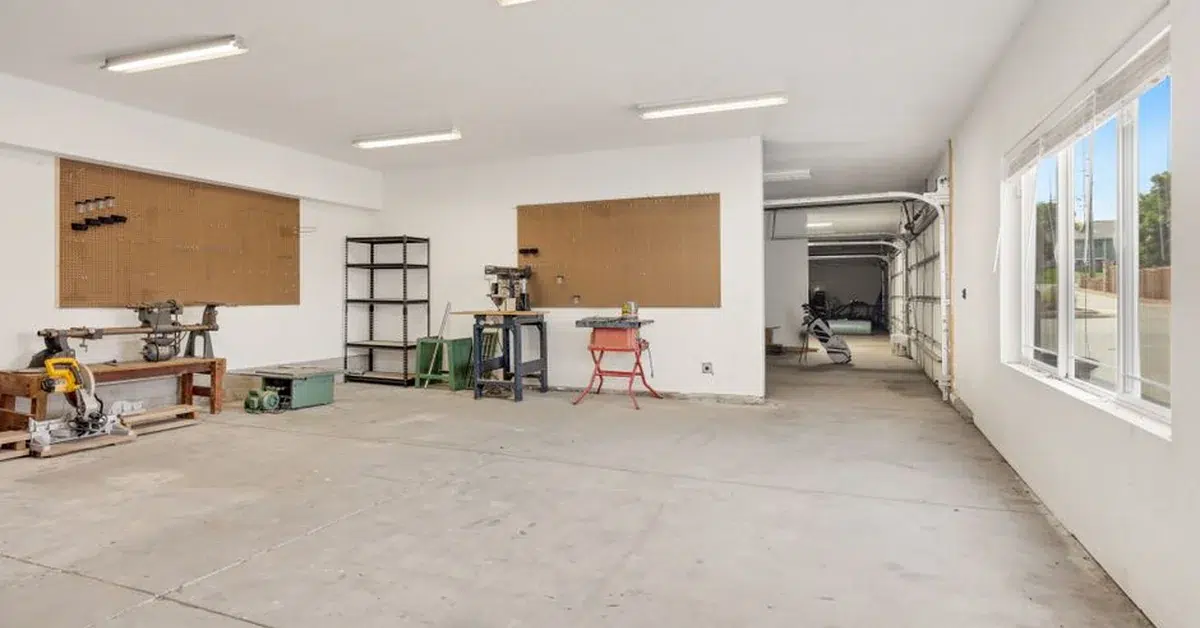
Many homeowners believe a garage conversion is a “cheap” way to add space. At G&M Home Remodelling, we’ve been guiding clients through garage conversion cost in Sherman Oaks for years of experience, and we’ve seen how that assumption leads to budgeting mistakes. Converting a garage into living space involves structural upgrades, insulation, HVAC, plumbing, and strict code compliance – not just drywall and paint. For a deeper overview of what’s involved, our garage conversion ADU guide breaks down the full scope. One Sherman Oaks homeowner once budgeted for flooring and lighting only, assuming the slab was “good enough.” After inspection, we found no vapor barrier, no insulation, and an undersized electrical panel. Skipping those upgrades would have violated code and reduced property value. Underestimating scope is the fastest way to turn a cost-saving idea into a financial setback.

Standards, inspections, and construction steps that protect your investment

professional garage conversion cost in Sherman Oaks overview by G&M Home Remodelling
A properly executed garage conversion starts with structural and code analysis, not design finishes. The most important best practices involve verifying foundation integrity, confirming load paths, and ensuring full Title 24 energy compliance. These steps directly influence garage conversion cost in Sherman Oaks (2026). Our process typically includes:
  • Structural review: Inspecting slab thickness (often 4 inches in older garages), reinforcing footings if needed, and framing new walls with pressure-treated sill plates anchored by 1/2-inch bolts.
  • Energy compliance: Installing R-13 or higher wall insulation and R-30 ceiling insulation per California Energy Code, plus dual-pane, low-E windows.
  • Mechanical upgrades: Proper HVAC sizing using Manual J load calculations rather than guessing equipment capacity.
  • Fire separation: When attached to the home, maintaining 1/2-inch or 5/8-inch Type X drywall separation as required by CRC R302.
When contractors skip load calculations or insulation upgrades, homeowners often face failed inspections or long-term comfort problems. We’ve corrected projects where rooms overheated every summer in Sherman Oaks because the installer ignored solar exposure and attic ventilation. Clients exploring larger reconfigurations sometimes compare conversions with home additions. Each approach has different structural and cost implications. The key difference is that a conversion works within an existing footprint, but still demands the same code-level compliance as new living space. Professional oversight ensures inspections pass the first time and protects resale value.
Standards, inspections, and construction steps that protect your investment - G&M Home Remodelling

What affects price, how long it takes, and how to plan realistically

In Sherman Oaks, garage conversion cost in Sherman Oaks (2026) typically may range from $80,000 to $150,000 for a standard single-car or two-car garage converted into a fully permitted living space with bathroom. Projects with kitchens, upgraded electrical panels, or structural modifications can exceed that range. Three primary factors influence cost:
  • Site complexity: Sloped driveways, aging foundations, or limited access can increase labor and engineering requirements.
  • Material costs: Flooring type, window quality, insulation level, and HVAC system selection all affect budget.
  • Total scope: Adding plumbing, a kitchenette, or a separate entrance significantly expands work.
One homeowner initially planned a basic office conversion. After reviewing zoning and rental potential, they chose to add a bathroom and kitchenette. That decision increased cost but also created long-term income potential. Most conversions take 3 to 5 months from permit approval to final inspection. Delays often stem from incomplete plans or underestimated electrical upgrades. For homeowners comparing broader renovation plans, reviewing a garage remodel planning guide helps clarify scope before committing to a full conversion. These figures are preliminary benchmarks for informational purposes only and do not constitute a binding quote. An on-site evaluation is required for a final proposal.

Get a Clear, Realistic Conversion Assessment

If you’re evaluating a garage conversion, the smartest first step is a detailed feasibility review. We assess slab condition, ceiling height, electrical capacity, and zoning requirements before discussing finishes or layouts. That approach prevents budget surprises and inspection setbacks. Our team provides a clear scope outline, projected timeline, and transparent cost ranges tailored to your property in Sherman Oaks. Whether you’re creating a rental unit, home office, or guest suite, we focus on code compliance, long-term comfort, and resale protection. Schedule a quick expert assessment and get answers specific to your garage – not a generic estimate. A structured plan today prevents expensive corrections later.
Garage Conversion Cost in Sherman Oaks (2026): Myths, Reality, and What to Budget - G&M Home Remodelling

FAQs

Garage conversion cost in Sherman Oaks (2026) commonly ranges between $80,000 and $150,000 for a fully permitted, code-compliant living space. The lower end typically reflects a basic bedroom or office conversion without plumbing, while the higher end may include a bathroom, kitchenette, upgraded electrical panel, and HVAC system. Sherman Oaks homes vary widely in age. Older properties may require foundation reinforcement, new sewer line connections, or panel upgrades from 100 amps to 200 amps. Those infrastructure improvements significantly influence total cost. Energy compliance under California Title 24 also adds insulation, window, and lighting requirements that were never part of the original garage construction. The most accurate way to determine cost is a site-specific evaluation that includes structural review, load calculations, and permit research before finalizing a design.
Yes. Converting a garage into habitable space requires permits for structural, electrical, plumbing, and mechanical work. The Los Angeles Department of Building and Safety enforces compliance with the California Residential Code and California Electrical Code. Permits are not just paperwork. Inspectors verify ceiling height, emergency egress windows, insulation levels, smoke and carbon monoxide detectors, and proper fire separation if the garage is attached. If plumbing is added, waste line slope and venting must meet code. Electrical circuits must follow National Electrical Code load calculations. Homeowners who skip permits often encounter problems during refinancing or resale. Appraisers may exclude unpermitted square footage from valuation. In some cases, owners must open walls for inspection or remove work entirely. Proper permits protect both safety and property value in Sherman Oaks.
A typical garage conversion may take 3 to 5 months from approved permits to final inspection. The design and permitting phase alone can take several weeks, depending on plan revisions and city review timelines. Construction time depends on site complexity, material costs and availability, and total scope of work. A simple office conversion without plumbing may move faster than a full ADU-style unit with bathroom, kitchenette, and upgraded electrical service. Structural changes, such as raising the ceiling or reinforcing foundations, can extend the schedule. Weather generally has minimal impact in Sherman Oaks, but inspection scheduling and utility coordination sometimes add time. These figures are preliminary benchmarks for informational purposes only and do not constitute a binding quote. An on-site evaluation is required for a final proposal.
Minor cosmetic upgrades like painting or installing finished flooring may be manageable for experienced homeowners. However, full garage conversions involve structural framing, electrical load calculations, plumbing venting, insulation compliance, and permit coordination. California building codes require specific fire-rated assemblies, energy compliance documentation, and inspected rough-in stages. Installing wiring without proper breaker sizing or failing to anchor sill plates correctly can create safety hazards. Even something as simple as improper window sizing may violate egress requirements. Most homeowners find that professional oversight reduces long-term cost by preventing failed inspections and rework. If your goal is a legally recognized living space that adds property value in Sherman Oaks, professional planning and licensed construction are strongly recommended.
Common warning signs include visible slab cracks wider than 1/4 inch, moisture intrusion after rain, low ceiling height under 7 feet, and outdated electrical panels. Many older garages in Sherman Oaks were built without insulation or vapor barriers, which means walls and floors must be rebuilt to meet habitable standards. Check whether your garage has sufficient natural light and space for code-compliant egress windows. If the garage shares a wall with the main home, confirm that proper fire-rated drywall separation exists. Before investing in design finishes, schedule a structural and electrical assessment. Identifying deficiencies early allows you to budget accurately and avoid mid-project surprises.
Yes. Sherman Oaks includes hillside properties and older post-war homes with aging infrastructure. Sloped driveways can complicate drainage and floor leveling. Some garages were built with minimal footings, requiring reinforcement before adding interior walls. Heat gain is another concern. South-facing garages often experience extreme summer temperatures. Without proper insulation, radiant barriers, and correctly sized HVAC systems, converted spaces may become uncomfortable. Zoning and parking requirements can also influence feasibility. While California ADU laws provide flexibility, each property has unique lot and access conditions. A detailed review of your specific address ensures compliance and realistic budgeting before construction begins.
Start by verifying an active California contractor’s license through the Contractors State License Board (CSLB). Confirm general liability insurance and workers’ compensation coverage. Ask whether the contractor has direct experience with garage-to-habitable conversions, not just cosmetic remodels. Review past projects that required electrical panel upgrades, plumbing installations, and insulation compliance under Title 24. A qualified contractor should explain load calculations, slab preparation methods, and inspection sequencing clearly. Be cautious if someone offers to complete the project without permits or provides a vague lump-sum estimate without scope detail. Clear plans, written specifications, and transparent allowances for fixtures and finishes reduce misunderstandings and cost overruns.
Schedule an evaluation before investing in architectural drawings or purchasing materials. Early assessment identifies structural limitations, ceiling height issues, electrical capacity, and zoning constraints that directly affect cost. If you notice water intrusion, foundation cracks, or outdated electrical panels, address those concerns immediately. While a garage conversion is not an emergency service, unresolved moisture or structural damage can worsen over time. A structured feasibility review helps you determine whether your goals align with your property’s conditions. Planning carefully at the beginning prevents expensive redesigns and ensures your future living space meets safety and building standards in Sherman Oaks.

Free Quote