How Much Does a Home Addition Cost in Los Angeles?

April 8, 2026

How Much Does a Home Addition Cost in Los Angeles? In most cases, homeowners can expect costs to range from $250 to $500 per square foot, depending on scope and structural complexity. At G&M Home Remodelling, we’ve helped Los Angeles families plan and build additions for years of experience, and we’ve seen how quickly costs shift based on design, soil conditions, and permitting requirements. For a deeper look at options, explore our home additions in Los Angeles page. Underestimating structural and permit requirements is where projects go off track. We’ve walked into jobs where a homeowner relied on a rough online estimate, only to discover foundation upgrades and seismic anchoring were required – adding tens of thousands to the budget.

A Practical Playbook Before You Build

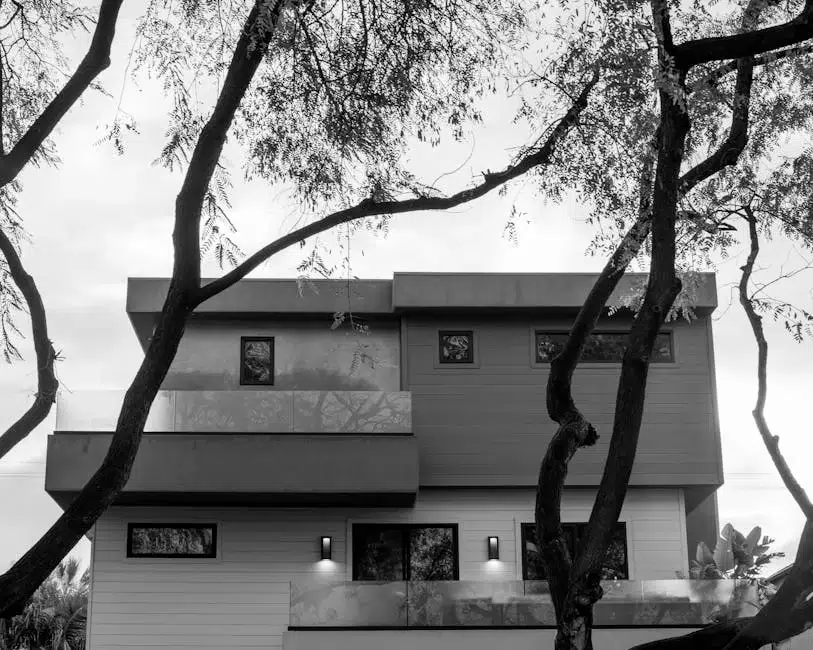
professional home addition cost Los Angeles 2026 overview by G&M Home Remodelling
Accurate pricing starts with documentation and engineering, not guesswork. We recommend completing architectural plans, structural calculations, and a realistic scope of work before requesting final bids. Clear drawings reduce change orders and prevent pricing gaps between contractors. A professional process should include:
  • Soil and foundation assessment before structural design
  • Title 24 energy calculations for insulation, glazing, and HVAC sizing
  • Load calculations for electrical panels and subpanels
  • Detailed finish schedules specifying flooring, cabinetry, and fixtures
In our experience, vague proposals with lump-sum allowances often lead to disputes. When a contractor lists “bathroom fixtures – $3,000 allowance” without specifying brands or quantities, costs frequently rise mid-project. We also coordinate additions with broader residential remodeling services when homeowners plan phased upgrades. Combining scopes can reduce mobilization costs and improve design continuity. For homeowners exploring layout possibilities, reviewing the 5 types of home additions homeowners love helps clarify whether a bump-out, second story, or detached structure best fits the lot. In Los Angeles, zoning setbacks and lot coverage ratios directly affect feasibility, so we confirm those early.
A Practical Playbook Before You Build - G&M Home Remodelling

What Delays Projects and Increases Price

Most cost overruns stem from scope changes after permits are approved. In Los Angeles, plan revisions require re-submittal to LADBS, which can add weeks to the schedule. A typical timeline may look like:
  1. Design and engineering: 4 – 8 weeks
  2. Plan check and permits: 6 – 12 weeks
  3. Construction: 3 – 6 months depending on size
Construction costs for additions often range from $250 to $500 per square foot, while second-story additions may exceed $500 per square foot due to structural reinforcement and temporary roof removal. One homeowner expanded their project mid-build by upgrading to custom aluminum-clad windows and wide-plank engineered oak flooring. Material lead times and price differences added nearly 15% to the contract value. Key variables that affect total investment:
  • Site complexity and soil conditions
  • Material selections and finish level
  • Total scope, including plumbing, HVAC, and electrical upgrades
These figures are preliminary benchmarks for informational purposes only and do not constitute a binding quote. An on-site evaluation is required for a final proposal.

Planning a Home Addition? Let’s Review Your Options

A well-planned addition increases livable space and long-term property value, but only when scope, engineering, and budgeting align from day one. We guide homeowners through feasibility, permitting, structural planning, and finish selections so there are no financial surprises mid-project. If you’re considering expanding your home, we can evaluate your property, discuss realistic cost ranges, and outline a clear construction timeline. A focused consultation often saves months of delays and thousands in change orders. Let’s talk about what’s possible for your space in Los Angeles.
What Delays Projects and Increases Price - G&M Home Remodelling

FAQs

In Los Angeles, home additions typically range from $250 to $500 per square foot. Single-story ground-level additions tend to fall at the lower end, while second-story expansions or high-end custom builds can exceed $500 per square foot. Structural reinforcement, seismic compliance, and Title 24 energy requirements influence pricing significantly. Homes built before modern seismic codes often require foundation retrofitting or upgraded shear walls, which increases costs. Finish selections – such as flooring, cabinetry, and window systems – also shift totals. A detailed site evaluation and engineered plans provide the most accurate per-square-foot estimate for your specific property.
Los Angeles construction must comply with strict seismic standards, energy efficiency regulations, and local zoning laws. The California Residential Code and local LADBS amendments require engineered foundations, anchor bolts, shear walls, and structural connectors designed for earthquake resistance. Title 24 energy compliance may require upgraded insulation, high-performance windows, and HVAC efficiency improvements. Labor and material costs are also higher due to demand and regional market conditions. In addition, many properties have limited lot sizes, hillside grading, or access constraints, which increase engineering and construction complexity compared to flatter regions with fewer regulatory layers.
A 500-square-foot addition in Los Angeles may range from $125,000 to $250,000 or more, depending on design and structural needs. Costs fluctuate based on site complexity, material costs, and total scope. For example, a simple bedroom addition on an existing slab may fall toward the lower end, while a kitchen expansion requiring plumbing relocation, panel upgrades, and premium finishes may trend higher. Hillside properties or older homes needing seismic reinforcement can further increase costs. Timelines typically span several months including design and permitting. These figures are preliminary benchmarks for informational purposes only and do not constitute a binding quote. An on-site evaluation is required for a final proposal.
Managing a home addition without professional oversight is risky in Los Angeles. Structural calculations, seismic anchoring, Title 24 documentation, and inspections require technical knowledge and coordination with LADBS. Even experienced homeowners often underestimate scheduling, subcontractor management, and inspection sequencing. Minor tasks like demolition or finish selection can involve homeowner input, but structural framing, foundation work, and electrical upgrades should be handled by licensed professionals. Improper work can lead to failed inspections, stop-work orders, and costly corrections. For most homeowners, professional management ensures code compliance, predictable scheduling, and long-term structural safety.
Budget increases often start with incomplete plans or hidden structural issues. If architectural drawings lack structural details, contractors may include large contingencies that inflate pricing. Discovering unpermitted past work during plan check can also trigger redesign requirements. Older homes without adequate foundation depth or anchor bolts frequently require upgrades once walls are opened. Electrical panels under 200 amps may need replacement to support new loads. Changes after permits are issued typically cause delays and additional design fees. Starting with engineered plans, a defined finish schedule, and a clear scope reduces financial surprises significantly.
Seismic compliance is the most significant factor in Los Angeles. Additions must integrate with existing framing while meeting modern earthquake standards. Hillside properties require geotechnical reports and specialized foundations. Many neighborhoods also have strict zoning setbacks and lot coverage limits that restrict buildable area. Aging infrastructure presents another challenge – older sewer lines, galvanized plumbing, or undersized electrical panels may require upgrades during construction. Permit processing timelines can extend schedules if documentation is incomplete. Addressing these factors during the design phase prevents mid-project redesigns and keeps construction moving efficiently.
Look for a contractor with an active California contractor’s license, proper liability insurance, and workers’ compensation coverage. Experience with structural framing, foundation work, and LADBS permitting is essential. Review detailed proposals that break down scope, allowances, and exclusions clearly. Contractors who provide vague lump-sum pricing without finish specifications often create room for disputes later. Ask about inspection coordination and how change orders are handled. A qualified team will explain timelines, structural requirements, and realistic cost ranges before construction begins, rather than offering unusually low estimates that may increase later.
Schedule a professional evaluation once you have a clear idea of your space needs and budget range. Early planning allows time for feasibility studies, zoning checks, and structural review before committing to design expenses. If you notice foundation cracks, uneven floors, or outdated electrical systems, address those issues before designing the addition. While this is not typically an emergency service, delaying evaluation can lead to unrealistic budgeting or missed zoning limitations. A preliminary consultation clarifies scope, identifies potential structural upgrades, and provides a practical roadmap before architectural drawings begin.

Free Quote