
When deciding between a walk in shower remodel and keeping a traditional tub, homeowners often weigh function, style, and resale value. A walk in shower remodel offers sleek design, easy access, and modern appeal. It is especially beneficial for those seeking convenience or planning for aging in place. These showers also make small bathrooms feel larger and more open. On the other hand, traditional tubs still hold value, especially for families with young children or for those who enjoy soaking baths. A bathtub can also appeal to potential buyers who prioritize relaxation or have different lifestyle needs. However, trends show that more homeowners are opting for walk-in shower remodels due to their low maintenance and space efficiency.
Why Small Bathrooms Need a Walk In Shower Remodel
Here’s the thing about small bathrooms. Every square inch counts. When you’re dealing with limited space, a bulky tub can make your bathroom feel cramped and outdated. A walk-in shower remodel instantly opens up the room. You get better flow, easier cleaning, and a more modern look that buyers love.
Think about your daily routine too. How often do you actually use that tub? Most people shower daily, but only soak occasionally. That’s a lot of valuable floor space dedicated to something you rarely use. Converting to a shower provides you with functionality that matches your lifestyle.
Space and Design Benefits of Shower vs Tub
Let’s discuss what happens when you replace that old tub. First, you gain usable floor space. Even a small shower takes up less room than a standard bathtub. This extra space can fit better storage, improved lighting, or create breathing room in a tight layout.
Modern shower designs also offer flexibility that tubs can’t match. You can install corner units, neo-angle styles, or even doorless walk-in designs. Glass doors and minimal framing keep sightlines open, allowing for a seamless transition. This visual trick makes your bathroom appear significantly larger than it actually is.
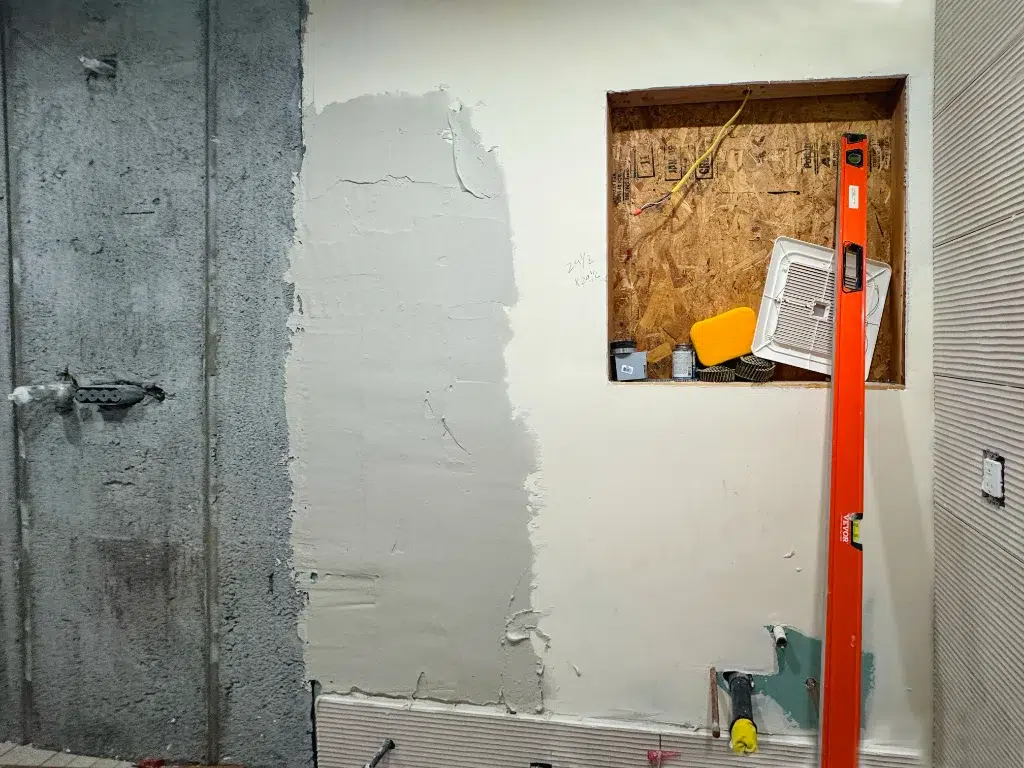
How Walk-In Shower Remodels Make Rooms Feel Bigger

The secret lies in visual continuity. When you remove a tub and shower curtain, you eliminate barriers that chop up the space. A glass-enclosed walk in shower remodel lets your eye travel across the entire room. Floor tiles can run continuously from wall to wall without stopping at a tub edge.
Lighting plays a huge role, too. Showers allow light to flow freely throughout the space. You can add overhead fixtures, wall sconces, or even recessed lighting in the shower. Tubs create dark corners and shadows that make small bathrooms feel even smaller and more closed in.
Aging in Place and Accessibility Advantages
Safety matters more as we get older. Climbing over a tub edge becomes risky when balance and mobility decline. A low-threshold or zero-threshold shower eliminates this hazard completely. You can walk right in without lifting your feet high or worrying about slipping.
Installing grab bars, built-in seating, and handheld showerheads becomes easier with shower layouts, too. These features blend naturally into modern designs. You’re not sacrificing style for safety. The best part? These upgrades benefit everyone in your household, not just seniors or those with mobility concerns.
Cost and Maintenance Comparison
Money talk time. Traditional tubs require more water, more cleaning products, and more time to maintain. Those grout lines around tub surrounds collect soap scum and mildew like nobody’s business. You spend weekends scrubbing when you could be relaxing instead.
Initial costs vary based on the materials and features you choose. A basic tub-to-shower conversion might run cheaper than a luxury tile design. However, long-term maintenance costs favor showers. They’re simply easier to keep clean and require fewer repairs over time. Plus, water bills drop when you’re not filling a 40-gallon tub regularly.
The Real Price of Tub to Shower Conversion
Expect to invest anywhere from a few thousand to mid-range five figures for a quality walk in shower remodel. Cost depends on several factors:
- Size and complexity of your bathroom layout
- Materials chosen (tile, acrylic, stone, or glass)
- Plumbing modifications needed for new fixtures
- Labor rates in your specific area
- Luxury features like steam systems or body jets
Don’t forget to factor in long-term savings. Lower water usage, reduced cleaning costs, and fewer repairs add up over the years. Many homeowners recoup their investment through increased home value and daily improvements in quality of life.
Resale Value and Buyer Preferences
Market trends shift constantly, but data shows clear patterns. Younger buyers and empty nesters prefer showers over tubs. They want low maintenance and modern style. Urban markets especially favor updated bathrooms with sleek shower designs.
That said, having at least one tub somewhere in your home still matters. If you’re renovating your only bathroom, think carefully. Families with small children need bathing options. However, if you have multiple bathrooms, converting one to a shower-only layout makes perfect sense for maximizing appeal.
Making the Right Choice for Your Home
Your decision should match your lifestyle and future plans. Ask yourself honest questions. Do you actually use your tub regularly? Are you planning to age in this home? What do comparable homes in your neighborhood offer?
Consider your budget and timeline, too. A well-executed walk in shower remodel transforms your daily experience and can increase your home’s value. Just make sure you work with experienced professionals who understand proper waterproofing and drainage. The right choice balances your current needs with wise investment thinking for tomorrow.
Frequently Asked Questions
How long does a walk in shower remodel typically take?
Most conversions take 3-7 days, depending on complexity. Simple acrylic installations finish faster than custom tile work. Plumbing modifications or structural changes can add time to the project. Always plan for potential delays and schedule the job when you can use another bathroom.
Will removing my only tub hurt resale value?
It depends on your market and home layout. If you have multiple bathrooms, converting one is usually fine. Homes with only one bathroom should typically have a tub. Consider your neighborhood demographics and what similar homes in the area offer before deciding.
Can I install a walk in shower remodel in any bathroom size?
Yes, but designs vary based on available space. Corner showers work great in tiny bathrooms. Standard showers need at least 32×32 inches, though 36×36 inches offers more comfort. Even small spaces can accommodate efficient shower layouts.
What's the best flooring for a walk in shower remodel?
Small tiles (2×2 or smaller) work best because more grout lines provide better traction. Textured porcelain, natural stone, or pebble tiles offer excellent grip. Avoid large-format tiles in the shower pan as they can become slippery when wet.
Do walk in shower remodels leak more than tub-shower combos?
Not if installed correctly. Proper waterproofing and quality materials prevent leaks. Work with experienced installers who understand moisture barriers and drainage slopes. Poor installation causes problems regardless of whether you have a tub or a shower.
Can I add a walk in shower remodel without moving plumbing?
Often, yes, especially if converting an existing tub location. The drain and water supply lines are already positioned. However, upgrading to multiple showerheads or body sprays may require additional plumbing work. A professional assessment determines what’s possible in your specific situation.
What type of shower door or glass enclosure works best for small bathrooms?
Frameless glass enclosures create the most open, spacious feel in even the tightest spaces. They eliminate visual barriers and let light flow freely. Sliding doors work better than swing-out options when floor space is limited. Clear glass makes rooms appear larger than frosted or patterned options, though privacy glass works great for shared bathrooms.
Should I use subway tile or mosaic tile for my shower wall during a bathroom remodel?
Both work beautifully but serve different purposes. Subway tile offers a clean, timeless look that’s easy to maintain. White tile in a subway pattern never goes out of style. Mosaic tile adds texture and visual interest, plus it works great for shower floors because more grout lines mean better traction. Many homeowners combine both, using subway tile on walls and mosaic accents for a custom bathroom design.
What shower fixtures and shower head options should I consider for a bathroom renovation?
Modern shower fixtures offer an incredible variety. Rainfall shower heads create a spa-like experience. Handheld options add flexibility for cleaning and accessibility needs. Multiple body jets turn your shower into a luxury retreat. Choose finishes that match your other bathroom fixtures, like faucets and towel bars. Matte black, brushed nickel, and chrome remain popular choices for beautiful bathroom designs.
What shower fixtures and shower head options should I consider for a bathroom renovation?
Absolutely! Mixing materials creates visual depth and interest. Many homeowners use ceramic tile or white tile on most shower walls for affordability and easy maintenance. Then they add stone tile as an accent band or feature wall for upscale appeal. Just ensure your bathroom floor tile complements your shower choices. The key is ensuring all materials are correctly sealed and rated for wet environments.