
Sherman Oaks, CA
Bathroom Remodeling in Sherman Oaks: What to Know Before You Start
Older Valley homes have specific challenges: galvanized pipes, outdated tile, and LA DBS permit requirements. Here is what actually matters before your project begins.
Serving Sherman Oaks & the Valley
- 1950-75Typical home vintage
- 6-10 wksTypical timeline
- LA DBSPermit required
Planning Your Remodel
What Makes Sherman Oaks Bathrooms Different
Much of the housing stock near Magnolia Boulevard was built between 1950 and 1975. That era of construction comes with specific issues that show up every time we open a wall. Galvanized steel pipes are the most common one. Galvanized corrodes from the inside out, gradually narrowing until water pressure drops and rust discolors fixtures. When a bathroom remodel in one of these homes includes any plumbing work, the exposed galvanized sections typically get replaced with copper or PEX. That is not optional, it is what makes the new work last.
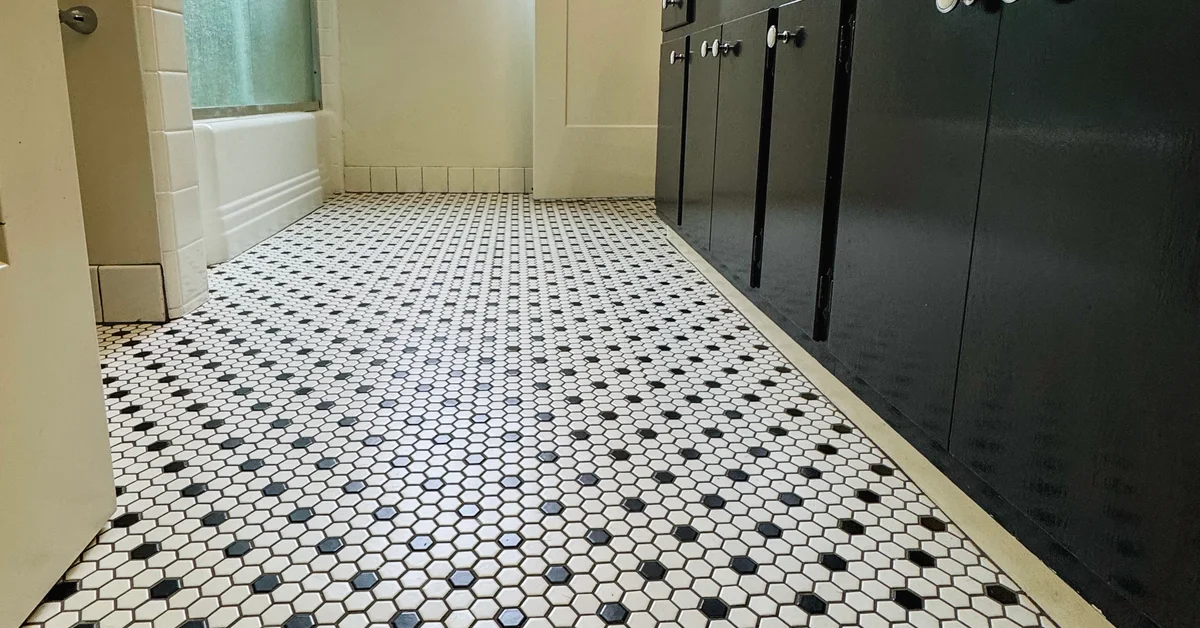
The tile work in these older bathrooms is another story. Original 4x4 ceramic tiles from that period were set directly in a thick mud-bed mortar, not cement board. Removing them takes longer than modern installations, and what is behind them is not always predictable. We have found previous patch repairs, soft subfloor sections, and even one bathroom where the original tile had been installed over older tile. Each layer adds labor and disposal time.
If you are researching bathroom remodeling in Sherman Oaks, the older housing stock here is the single biggest variable in your planning. A bathroom that looks straightforward from the outside can reveal two or three separate issues once the tile comes down.
For broader context on remodeling older Los Angeles homes, the LA Department of Building and Safety (LADBS) publishes permit requirements and inspection checklists online. The U.S. Department of Energy also maintains guidance on ventilation and moisture control that applies to homes without modern building envelopes.
Step by Step
How a Sherman Oaks Bathroom Remodel Actually Unfolds
Every project is different, but here is the realistic sequence of work and what drives the timeline in Valley homes specifically.
- 1
Site Assessment and Permit Filing
Any structural or plumbing change in a Los Angeles bathroom requires a permit from LA DBS. That means submitting drawings, waiting for plan check, and scheduling inspections at specific stages. The permit process adds time to the front end of a project, typically one to three weeks for a standard bathroom depending on current DBS volume. Skipping it creates real problems at resale: unpermitted plumbing work shows up on disclosure forms and can require demolition to correct.
For Sherman Oaks homes built before 1980, the assessment also checks for asbestos in floor tile and pipe insulation. Materials from that era were commonly manufactured with asbestos binders. If testing confirms it, a certified abatement contractor handles removal before any demo work begins. That step cannot be skipped, and it affects scheduling.
- 2
Demolition and What Opens Up
Demo on a mid-century Sherman Oaks bathroom usually takes one to two days for a standard 5x8 or 5x10 layout. What comes after demo is less predictable. Once the tile and drywall are out, the actual condition of framing, subfloor, and existing pipe becomes clear for the first time. We build a contingency into every estimate because we almost always find something that was not visible before: a drain line running in an unexpected direction, a vent stack that needs to move, or framing that has taken on moisture over decades.
This is the stage where galvanized pipes get addressed. If water supply lines are galvanized and plumbing changes are planned, this is the logical moment to repipe the bathroom. The walls are already open, access is easy, and the cost per linear foot of repipe is much lower than doing it as a separate project later.
- 3
Rough Plumbing, Electrical, and Framing
Rough-in work is when the inspections happen. The DBS inspector needs to see supply lines, drain lines, and any electrical runs before walls close up. This stage usually takes three to five days of actual work, then a day or two waiting for inspection scheduling. Inspectors are thorough and the process is not designed to be fast, so patience here protects you later.
Valley heat makes bathroom ventilation more important than it would be in a milder climate. A properly sized exhaust fan prevents the moisture buildup that leads to mold in grout and paint. We size fans using CFM ratings calculated from the bathroom volume, not just the square footage, because ceiling height varies a lot in these older homes.
- 4
Waterproofing and Tile Installation
Cement board goes up first, then a waterproofing membrane on all wet surfaces before any tile is set. This is a step that older homes never had, and it is one of the main reasons modern bathrooms last longer. The membrane needs to cure, typically 24 to 48 hours, before tile work begins. Rushing it is a mistake that shows up as grout cracking within a year.
For finishes in the San Fernando Valley, there are practical considerations that go beyond aesthetics. Lighter grout colors show mineral deposits faster in areas with hard water. Matte-finish tile hides water spots better than gloss, which is useful in a climate where water evaporates quickly and leaves residue. Large-format tiles reduce grout line count, which means less surface area for mineral buildup and mold. These are real-world trade-offs worth thinking through before finalizing your selections. Our bathroom shower renovations page covers tile and material selection in more detail.
- 5
Fixtures, Finish Work, and Final Inspection
Setting fixtures, hanging vanity, connecting supply lines, and finishing trim work is the final stage. It moves faster than the early stages but still requires coordination: the toilet cannot go in until flooring is complete, and paint needs to be done before trim is installed. A standard bathroom at this stage takes three to four days of work. Final inspection from DBS closes out the permit and confirms the work meets code.
Total project time for a full bathroom remodel in a Sherman Oaks home runs six to ten weeks from permit application to final inspection in typical conditions. A bathroom where significant plumbing issues or asbestos abatement are involved can run longer. Projects that are cosmetic-only, like replacing fixtures and tile without moving anything, are faster and may not require permits at all. Knowing which category your project falls into before you start is the most useful planning step of all.
- 6
Choosing the Right Contractor for This Work
A contractor who has worked in Sherman Oaks knows what to expect behind these walls. That familiarity speeds up estimating, reduces surprises, and means your contingency budget is based on realistic local experience rather than generic guessing. Ask any contractor you interview how they handle galvanized pipe discovery mid-project and how they price asbestos testing. The answer tells you a lot about their experience with Valley housing stock.
You can review our local Sherman Oaks remodeling services for more on how we approach projects in this area. If you are also considering other spaces in the house, our guide on making kitchen and bathroom remodeling projects match covers the planning logic for doing both together.
Finish Selection
Choosing Materials That Hold Up in Valley Conditions
The San Fernando Valley runs hot and dry for much of the year, with summer highs that routinely reach triple digits. That affects bathrooms in ways that are not obvious when you are shopping for tile in a showroom. Thermal expansion and contraction cycles in a Valley home are more pronounced than in coastal areas, and materials that perform well in moderate climates sometimes develop problems here.
Natural stone tiles look excellent but require sealing every one to two years to prevent mineral absorption. In a high-use bathroom in a hot climate, skipping that maintenance schedule shows up quickly as staining that cannot be cleaned out. Porcelain is more forgiving: it is dense enough that it does not require sealing, and its dimensional stability holds up through temperature swings better than softer materials.
Grout color is a decision most homeowners underestimate. Medium-tone grouts, not white, not very dark, hold up better visually over time in hard water areas because they do not show mineral deposits or staining as quickly. Epoxy grout is more durable than cement grout and resists staining without requiring sealer, which is a maintenance advantage in a busy household.
Recommended: Porcelain Tile
Dense, non-porous, dimensionally stable in heat. No sealing required.
Recommended: Epoxy Grout
Stain-resistant, no sealer needed, handles hard water better than cement grout.
Avoid: White Grout
Shows mineral deposits fast in hard water. High maintenance in Valley conditions.
Avoid: Unsealed Stone
Absorbs minerals quickly. Needs re-sealing every 1-2 years minimum.
Fixtures and Fittings
Hardware Decisions That Matter
Faucets and fixtures in high-mineral-content water areas benefit from brushed or matte finishes over polished chrome. Polished surfaces show water spots within hours of cleaning. Brushed nickel and matte black both hide mineral deposits more effectively and require less daily maintenance to look presentable.
For showerheads specifically, look for units with rubber spray nozzles rather than fixed metal ones. Rubber nozzles allow you to wipe off mineral buildup with your finger, which in Sherman Oaks water conditions makes a real difference over a few months. Models with a self-cleaning mechanism are marketed heavily but the rubber nozzle feature is what actually matters.
Vanity cabinetry in bathrooms needs to be rated for humidity. Solid wood and some MDF products expand and contract with moisture changes, which leads to door warping and finish cracking in bathrooms with inadequate ventilation. Plywood-core construction is more stable than particleboard for bathroom environments. If you are undecided between a walk-in shower and keeping a tub, our comparison of walk-in shower remodel vs. traditional tub covers the trade-offs for small bathrooms specifically.
Common Questions
Questions We Hear From Sherman Oaks Homeowners
How long does a bathroom remodel take in Sherman Oaks?
Six to ten weeks is realistic for a full remodel that includes plumbing and permit work. The permit process through LA DBS typically takes one to three weeks at the front end, and inspections at rough-in and final stages add time in the middle. A cosmetic update without structural or plumbing changes can move much faster. The single biggest variable is what gets discovered after demo, which is why we build a contingency into every Sherman Oaks project estimate from the start.
Do I need a permit for a bathroom remodel in Los Angeles?
Yes, for any structural change, plumbing relocation, or electrical work. LA DBS enforces this consistently, and unpermitted work creates complications at resale. The permit requirement is actually protective: inspections at rough-in stage catch errors before walls close, which saves money compared to fixing problems later. Cosmetic work like replacing a vanity or swapping a toilet in the same location generally does not require a permit, but any time a pipe moves or a wall changes, file first.
What surprises come up in older Sherman Oaks homes?
Galvanized pipe corrosion is the most common one. Asbestos in floor tile or pipe insulation is found regularly in homes built before 1980. Soft subfloor sections under original mud-bed tile are common. Previous patch repairs hidden behind finish surfaces are another frequent discovery. Cast iron drain lines in good condition can stay, but we sometimes find sections that have deteriorated and need spot repair. None of these are catastrophic, but each one affects timeline and budget, which is why detailed assessment before signing a contract matters.
What finishes hold up best in the Valley's climate?
Porcelain tile over natural stone for floors and shower walls: denser, no sealing required, holds up through temperature cycles. Epoxy grout over cement grout: stain-resistant and more durable in hard water conditions. Brushed or matte fixture finishes over polished chrome: far less visible mineral spotting between cleanings. Medium-tone grout colors over white: show hard water deposits less quickly. These are not style opinions, they are maintenance realities specific to San Fernando Valley water and weather.
Should I do my kitchen and bathroom at the same time?
There are real trade-offs either way. Doing both simultaneously means one permit process, one site setup, and shared mobilization costs. It also means more disruption at once. Phasing them separately gives you more control and cash flow management. If the house is occupied, simultaneous kitchen and bath work is difficult to live around. If you have flexibility, the cost efficiency of doing both together is real. Our page on kitchen remodeling in Sherman Oaks covers timing and coordination in more detail.
What does a bathroom remodel cost in Sherman Oaks?
Costs vary significantly based on scope, existing conditions, and material selections. A cosmetic refresh is much less than a full structural remodel. LA pricing includes permit fees, licensed contractor labor, and materials that may be different from what national cost guides show. The most accurate way to understand cost for your specific bathroom is a site walkthrough and itemized estimate. Our Los Angeles bathroom remodel cost guide covers ranges and variables in detail.
General Contractors in Sherman Oaks
Our general contracting services cover the full scope of residential work in Sherman Oaks.
General contracting servicesHome Remodeling Sherman Oaks
Whole-home planning that coordinates bathroom work with the rest of your renovation.
Home remodeling in Sherman OaksBathroom Remodeling Services
Our full bathroom remodeling process from first assessment to final walkthrough.
Bathroom remodeling servicesStart Your Project
Ready to Plan Your Sherman Oaks Bathroom Remodel?
The best first step is a walkthrough. We look at the existing conditions, explain what the permit process will involve, and give you an honest picture of what the project will cost and how long it will take. No guessing, no surprises that were avoidable.
You can start with our detailed page on bathroom remodeling services in Sherman Oaks to see how we approach projects in this neighborhood specifically. Or reach out directly to schedule a site visit.
Also Useful
Room-by-Room Whole Home Remodeling Guide Residential Remodeling Services Home Remodeling Grants: How and Where to Get Them How to Hire the Best Home Remodeling Company Modern Home Remodeling Trends in Los Angeles 2026 Shower Remodeling: Top BenefitsG&M Home Remodeling
Licensed General Contractor, CSLB Lic. #1048107 Serving Sherman Oaks and the San Fernando Valley