- CSLB License #1048107
- 1-323-360-1425
- info@gmhomeremodeling.com
CSLB License #1048107
An honest look at what California's contractor license really means for Los Angeles homeowners, what it protects, and when skipping it costs far more than you saved.
About G&M Home Remodeling
G&M Home Remodeling is a family-run general contracting firm based in Sherman Oaks, serving homeowners across the greater Los Angeles area for over 15 years. We hold CSLB License #1048107, carry full insurance, and pull every permit the city requires. That is not a checkbox for us. It is how we have stayed in business since the beginning.
We work on kitchen remodels, bathroom renovations, home additions, ADU and garage conversions, and full-scale whole-house remodels. We work on one project at a time the same way a craftsman does. You get a real plan, a real timeline, and someone who answers the phone when you call.
Los Angeles homeowners face a unique set of challenges: seismic retrofitting requirements, strict zoning codes, Title 24 energy compliance, and a permit process that varies by neighborhood. We have handled all of it, in homes across Sherman Oaks, Studio City, Encino, and throughout the San Fernando Valley.
The Contractors State License Board (CSLB) is California's licensing authority for all contractors performing work valued at $1,000 or more in labor and materials. A license is not optional at that threshold. State law requires it, and violating it is a misdemeanor for the contractor.
What the license actually represents: the contractor passed a trade exam, passed a law-and-business exam, carries a $25,000 contractor's bond, and keeps that license current with continuing compliance. You can verify any license instantly at cslb.ca.gov. Ours is License #1048107. Look it up before you call us if you want.
The bond protects you if a contractor abandons a job or causes damage and refuses to make it right. The CSLB also runs a complaint resolution process and, in serious cases, can revoke the license entirely. That accountability structure does not exist with unlicensed contractors.
One thing people often miss: California law says that if an unlicensed contractor performs work on your home, they can be barred from recovering payment in court, even for work that was completed. That cuts both ways though. If something goes wrong, you lose most of your legal leverage too.
Apart from homeowners pulling owner-builder permits, only a licensed contractor can pull permits in LA County for structural, electrical, plumbing, and mechanical work. No license, no permit. No permit, no legal sign-off. That matters at resale and refinancing.
Licensed contractors carry workers' compensation for their crew. If an unlicensed worker gets hurt on your property, your homeowner's insurance is typically the first line of liability. That can mean a six-figure claim against your policy.
If a licensed contractor walks off the job or does shoddy work, the CSLB has enforcement tools including the Contractor's Bond and a formal complaint process. With unlicensed operators, your primary option is small claims court, if you can find them.
Los Angeles has some of the most complex residential permitting requirements in the country. Seismic activity alone adds an entire layer of structural compliance that simply does not exist in most of the United States.
Soft-story retrofitting ordinances, hillside grading restrictions, fire-prone area construction requirements (especially in zones near the Santa Monica Mountains), and the LA Department of Building and Safety's permit-approval process all require a contractor who knows the local rules cold.
Foundation and structural work in LA must meet California Residential Code requirements that account for seismic loads. A contractor unfamiliar with those standards will frame a room addition that fails inspection, and you pay to tear it down and redo it.
ADU projects add another dimension. California's ADU laws changed significantly between 2017 and 2024. An experienced ADU contractor in Los Angeles understands current setback rules, owner-occupancy exemptions, utility connection requirements, and the specific timelines LA city sets for ADU permit processing. The rules that applied three years ago may not apply today.
Unlicensed contractors typically quote 10 to 30 percent below licensed ones. That gap is real. But here is what that gap usually buys you.
No permit pulled. The work is done without inspection. You close escrow years later and the buyer's inspector finds a room addition with no permit, non-code framing, and zero record of an electrical sign-off. Your lender may refuse to finance it. Your buyer may walk. You may end up paying to have the addition torn down or re-inspected with corrective work.
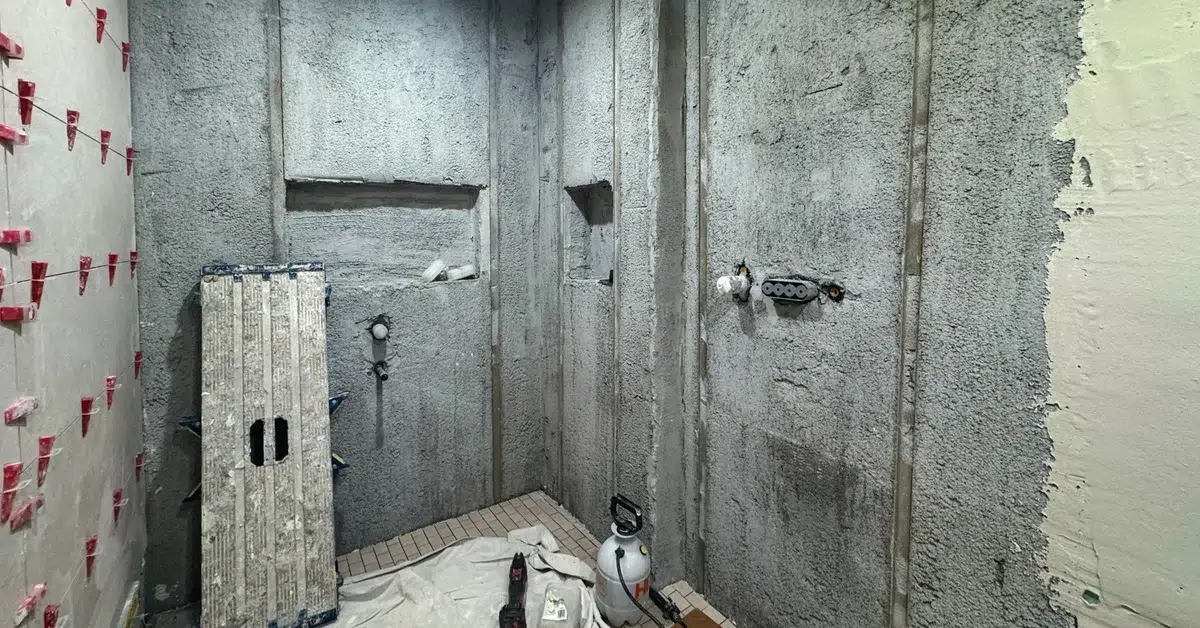
That scenario plays out regularly in LA. We have walked through homes where a previous contractor did a bathroom remodel without a permit and tiled over a leak that destroyed the subfloor. The cost to fix unpermitted work routinely exceeds the original project cost.
For homeowners planning a room addition or a home addition in Los Angeles, the stakes are especially high. Structural work done without permits can void your homeowner's insurance if a subsequent claim involves that part of the structure.
See realistic cost ranges for common projects in our guide: residential remodeling costs in Los Angeles.
What We Build
Every project below requires a CSLB-licensed contractor in California. We pull the permits, schedule inspections, and give you a final sign-off you can show a lender, insurer, or future buyer. See the detailed cost guides linked from each service.
Full gut-and-rebuild or focused cabinet and layout work. Permits required for plumbing and electrical moves. See our 2026 kitchen remodel cost guide.
Tile replacement, layout changes, tub-to-shower conversions. Plumbing alterations trigger permit requirements in LA. Full bathroom remodel cost breakdown here.
California's ADU rules have made garage conversions one of the strongest ROI projects in LA. Our complete ADU contractor guide for Los Angeles covers current rules and costs.
Adding square footage requires structural, electrical, and in most cases HVAC permits. See realistic ranges in our home addition cost guide. We also have a licensed home addition contractor page.
Painting itself typically does not require permits but often accompanies remodeling work that does. We coordinate all work under a single licensed contract so nothing falls through the gaps.
New construction, structural repairs, foundation work, and whole-house remodels. Our whole-house remodel cost guide has the numbers. CSLB licensing is mandatory for all of it.
Do this before any contractor visits your home. Go to cslb.ca.gov and use the license search tool. Type in the license number or the company name. The result tells you whether the license is active, what classification it covers, and whether there are any disciplinary actions on record.
It takes about 30 seconds. If a contractor hesitates when you ask for their license number, that is your answer.
A CSLB license tells you the contractor passed required exams and posted a bond. It does not automatically tell you they are good at what they do, that they manage subcontractors well, or that their previous clients were happy. The license is the baseline, not the ceiling.
That is why we encourage prospective clients to check our profile on Houzz and Yelp, read our guide to working with general contractors, and ask us directly about projects similar to yours. A seasoned contractor is comfortable with those questions.
Homeowners sometimes assume small projects fall under the radar. A few specifics that often surprise people:
If plumbing or electrical is touched during the process, a permit is required. Even moving an outlet to a better position counts. See our guide on kitchen cabinet refacing costs in Los Angeles.
Plumbing reconfiguration almost always triggers a permit. Our tub-to-shower conversion guide for LA walks through the process and realistic costs.
In LA, window replacements often require permits for energy code compliance. See window replacement costs in Los Angeles (2026).
Patching stucco may seem minor, but work over certain square footage on the exterior triggers permit requirements in some LA jurisdictions. Our 2026 stucco repair cost guide covers what homeowners should expect.
This is structural work and requires a licensed contractor and permit by definition. See our earthquake retrofitting cost guide for Los Angeles.
Site assessment, scope definition, permit application preparation. For most residential projects this phase takes 2 to 6 weeks depending on plan complexity and LADBS review queues. See our pre-construction planning checklist.
Permit in hand before any work begins. Over-the-counter permits for straightforward work can take one to three days. Projects requiring plan check can take four to twelve weeks in LA.
Framing, rough plumbing, rough electrical. Inspector visits at required milestones before walls are closed.
Tile, cabinets, fixtures, paint. Final inspection and Certificate of Occupancy (where applicable) closes out the permit record.
The completed permit becomes a permanent part of your home's public record. That document is exactly what a buyer, lender, or insurer may request years from now.
These are the questions homeowners most commonly ask us before starting a project.
For projects under $1,000 in combined labor and materials, yes. For anything over that threshold, California law requires the contractor to be licensed. You, as the homeowner, are not penalized for hiring an unlicensed contractor, but you lose nearly all legal protections if something goes wrong. The contractor, however, commits a misdemeanor by performing work without a license.
No. The license confirms the contractor passed required exams, carries a bond, and meets state minimums. It does not measure craftsmanship, communication, or project management ability. That is why you should check references, review past project photos, and read verified reviews on platforms like Houzz and Yelp, in addition to confirming the license.
The buyer's lender may refuse to finance the purchase until the work is legalized or removed. Legalizing unpermitted work after the fact typically requires opening walls, having inspectors assess what was done, and paying to bring it up to current code. In some cases this costs more than the original project. You also have disclosure obligations as a seller: knowingly concealing unpermitted work can expose you to legal liability after the sale closes.
This is one of the most common situations that brings homeowners to us for renovation help after the fact.
About 30 seconds. Go to cslb.ca.gov and use the public license lookup. Enter the license number or the company name. The page will show you the license status, classification, bond status, workers' comp status, and any disciplinary history. G&M Home Remodeling's license number is #1048107.
Cosmetic work like repainting, re-caulking a tub, or swapping a light fixture typically does not require a permit or a licensed contractor. But once you are replacing a vanity with plumbing work, retiling with waterproofing behind the walls, or moving fixtures, you are in permit territory. Our guide to finding a bathroom remodel contractor in Los Angeles walks through how to scope that decision.
Yes. We serve the greater Los Angeles area including Studio City, Encino, Woodland Hills, Burbank, Glendale, and communities throughout the San Fernando Valley and beyond. We also have project experience in Anaheim, Riverside, Huntington Beach, and Fontana. Call us to confirm coverage for your specific address before scheduling an estimate.
CSLB License #1048107 | Sherman Oaks, Los Angeles
We have been building and remodeling homes in Los Angeles for over 15 years. Tell us what you are planning and we will give you an honest assessment, a real timeline, and a written estimate you can actually use.
California law requires it. We include scope, timeline, materials, and payment schedule. No surprises on paper, and fewer surprises on site.
We do not start framing before the permit is in hand. That sequence protects you, not just us.
The people who estimate your project are the people who manage it. We have been in the same market for over 15 years because we plan to keep working here.